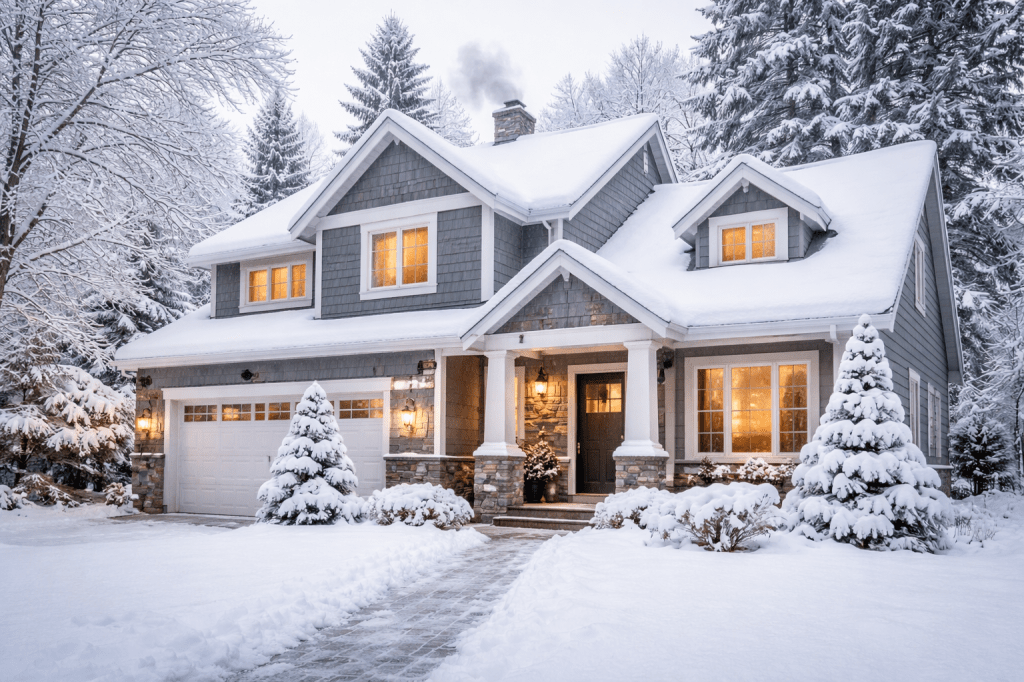
Most homeowners don’t have bad houses.
They have ignored houses.
The end of the year is when small, cheap issues quietly turn into expensive emergencies—frozen pipes, sky-high heating bills, water damage, and safety problems that could’ve been handled in under an hour.
This end-of-year home maintenance checklist covers the unsexy but critical tasks most people put off… until winter forces their hand.
If you want your home to survive winter without draining your bank account, start here.
1. Seal Drafts Before You Pay to Heat the Outdoors
What to do:
- Check doors and windows for air leaks
- Add weatherstripping where seals are worn
- Caulk gaps around trim and window frames
- Install door sweeps if you see daylight
Why it matters:
Drafts are one of the fastest ways to waste money in winter. If your house leaks air, your heater works harder and your comfort drops. Sealing drafts is cheap, fast, and immediately noticeable.
2. Service Your Heating System Before It Quits
What to do:
- Replace HVAC filters
- Test your thermostat
- Schedule a professional tune-up if you haven’t had one this year
- Make sure vents aren’t blocked by furniture or rugs
Why it matters:
Heating systems don’t usually fail on warm days. They fail during the first cold snap when everyone needs them most. A dirty or neglected system is the first to go.
3. Protect Pipes From Freezing
What to do:
- Insulate exposed pipes in basements, garages, and crawl spaces
- Disconnect, drain, and store outdoor hoses
- Shut off exterior water lines if your home allows it
- Seal gaps where pipes enter the house
Why it matters:
Frozen pipes don’t crack politely—they burst. A few dollars in insulation can prevent thousands of dollars in water damage.
4. Inspect the Exterior Before Winter Wrecks It
What to do:
- Walk the perimeter of your home
- Look for cracks in siding or foundation
- Inspect roof edges and flashing
- Clean gutters and downspouts so water can drain properly
Why it matters:
Water always finds the weakest point. Winter freeze-thaw cycles turn small gaps into major damage fast.
5. Test All Safety Equipment (Not Just One)
What to do:
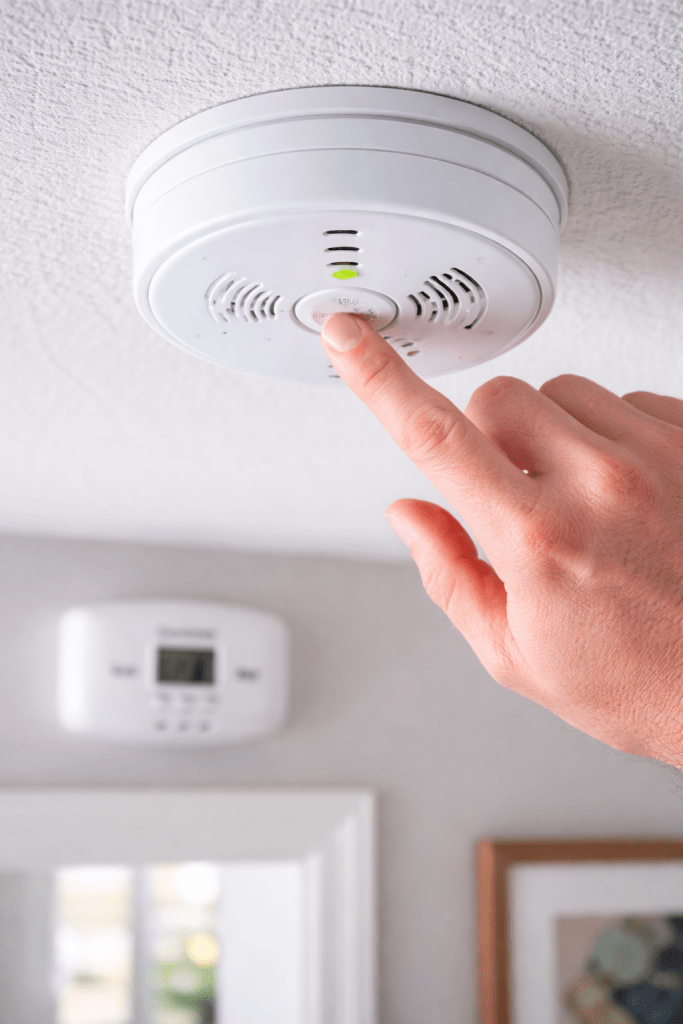
- Test smoke detectors
- Test carbon monoxide detectors
- Replace batteries as needed
- Check fire extinguishers for pressure and expiration dates
Why it matters:
Winter means more heaters, fireplaces, and closed-up homes. Carbon monoxide and fire risks go up when temperatures go down.
Final Thought: Do the Boring Stuff Now
Homeownership isn’t about being handy or knowing every trick.
It’s about handling the basics before they turn into emergencies.
Do this checklist once a year, and you’ll save money, avoid stress, and keep your house running the way it should.
If you want practical home tips, real maintenance advice, and no fake hacks, follow Savage Home Skills and stay ahead of the problems most homeowners ignore.

 Savage Home Skills
Leave a comment